
Nipto: Split Household Chores
NiptoHouse & Home
4.5165.00 Reviews
- Version
- 2.15.1
- Installs
- 500.00K
- Age Rating
- Everyone
Screenshots
Our Review of Nipto: Split Household Chores
 Analysis by Appyee
Ever felt like you're the only one doing chores around the house? Enter Nipto: Split Household Chores, your new best friend in chore management. This app is like that super-organized friend who loves making lists but in digital form. Let's dive into how it works and why it might just save your household harmony.
Where Nipto fits into a busy home
My basic take is that Nipto works best when the problem is not knowing how to clean, but getting everyone to agree on who will do what and when. It gives a household a shared place to put chores, track progress and make the division of work easier to see. That is a practical idea for roommates, couples and families whose schedules do not always line up.
It is a free House & Home app from Nipto, with in-app purchases ranging from $1.99 to $18.99 per item. It has a 4.7 average from around 6,300 ratings, and more than 500,000 installs. The age rating is Everyone. Those figures suggest that it has found an audience, but they do not guarantee it will suit every household: the real test is whether the people sharing the space are willing to use the same routine.
I would treat the points as a way to start a conversation, not as a perfect measurement of fairness. A quick daily task may be easy to count, while the person who remembers supplies, plans meals or handles a less visible job can still feel overlooked. Agreeing on what belongs in the chore list before assigning points can prevent the scoreboard from becoming a source of resentment.
Getting Started with Nipto
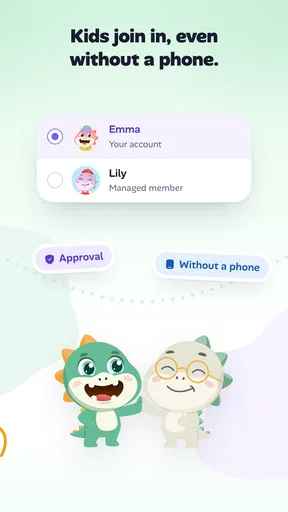
The first time I opened Nipto: Split Household Chores, I was greeted with a clean, intuitive interface that made me think, "Finally, an app that won't add to my stress!" You start by setting up your household team, which is as simple as sending an invite link to your roommates or family members. Once everyone is on board, you can start assigning chores.
Chore Assignment Made Easy
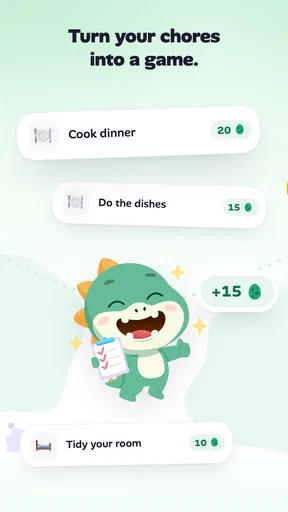
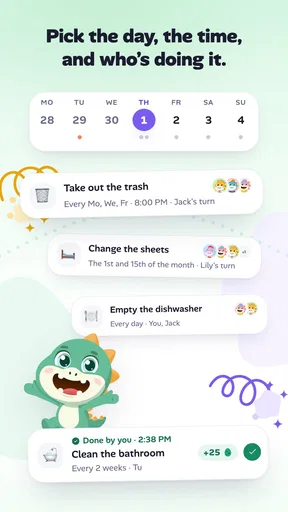
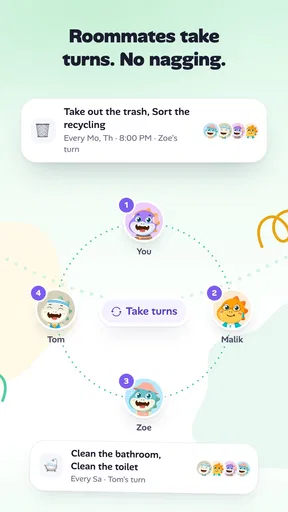
One of the standout features of Nipto is its flexibility in assigning chores. You can schedule tasks for specific days, make them recurring, or just let them be a one-off. This way, everyone knows what they need to do and when. The app even lets you set point values for each chore based on difficulty or time required, so vacuuming the living room might earn you more points than, say, watering the plants.
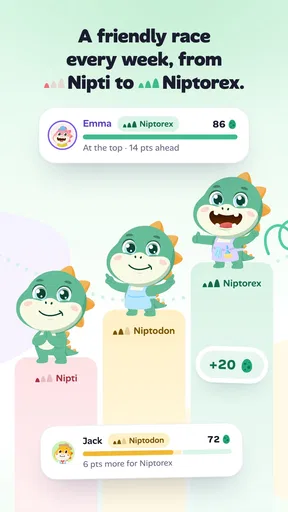
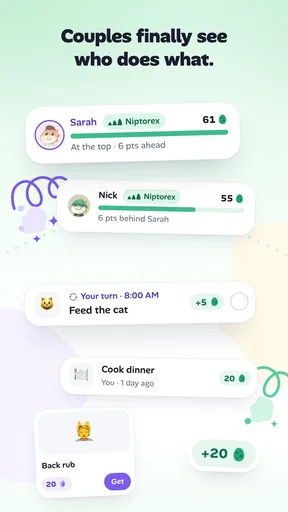
And who doesn't love a little competition? Nipto turns chores into a game where you can rack up points and see who’s carrying the weight in the household. It's surprisingly motivating to see your name climb the leaderboard!
Making the points fair, not fussy
The useful trick is to keep the scoring simple at first. I would list the recurring jobs everyone agrees are necessary, then set values that reflect effort rather than treating every small action as a separate contest. If a task keeps being skipped, the first adjustment I would make is to its timing or ownership, not automatically its points. A confusing chore list can make a tidy-looking leaderboard less useful than a plain conversation.
This setup also works for uneven schedules. If one roommate is away at weekends or a parent has a particularly busy workweek, recurring tasks can be arranged around the days people are actually home. A one-off task is handy for the less predictable jobs, while repeating chores give the household a dependable baseline. The trade-off is that someone still needs to review the list when routines change; a schedule left untouched can quietly stop reflecting real life.
Tracking and Notifications
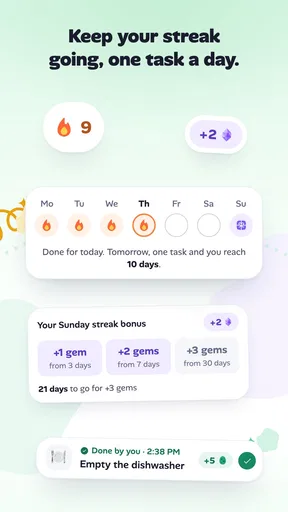
Keeping track of who did what and when is a breeze with Nipto. The app logs all completed chores, so there’s no room for "I forgot" excuses. Plus, it sends you gentle reminders about upcoming tasks. I found the notification settings to be just right—not too intrusive but effective enough to keep me on track.
There’s also a calendar view that provides a snapshot of all upcoming chores. It's perfect for those who like to plan their week ahead. Trust me, seeing a well-organized schedule is oddly satisfying.
A realistic weeknight routine
Picture a shared apartment on a Wednesday evening: one person gets home early, another has a late shift, and the kitchen needs attention before breakfast. A recurring schedule can make it clear who is responsible without starting a fresh negotiation in the group chat. If the assigned person cannot do it that night, the household can use the shared task record as a prompt to agree on a swap, rather than assuming the job has disappeared.
That is where a calendar and completion history are more useful than a basic checklist. The calendar helps everyone see what is coming, while the record can settle practical questions about whether a task was already handled. I would still avoid treating the history as proof of who contributes most overall: it captures listed chores, not every bit of care or household planning that happens outside the list.
Friendly Competition or Accountability?
While the points system adds a fun, competitive edge, it’s also a great tool for accountability. It's easy to see who’s slacking and who’s pulling their weight. In my household, this has led to some playful banter, but it's also made everyone more conscientious about contributing equally.
But don’t worry, the app isn’t just about pointing fingers. It’s designed to foster a sense of teamwork. You can even send motivational messages or reminders to other members. A little nudge never hurts!
When a leaderboard helps—and when it doesn’t
Competition is most useful when the household already has a friendly tone. A visible score can give children a playful reason to take part, or help adults notice when recurring jobs are falling to one person. But if chores are already a sensitive subject, a ranking can make people defensive instead of cooperative. In that situation, I would use the assignments and reminders while paying less attention to who is ahead.
Another worthwhile habit is to agree on how a task counts before anyone starts. For example, decide what “clean the kitchen” includes, rather than letting one person mean wiping counters and another mean washing dishes, clearing the table and sweeping. Clear definitions reduce arguments that no points system can solve. The app can help organize an agreement; it cannot make an unfair agreement feel fair.
Customizable Settings
Nipto offers a good level of customization. You can adjust the point system, set weekly goals, and even personalize the appearance of your dashboard. It feels like the app was designed with real households in mind, understanding that no two are the same.
For those of us who like to keep things fresh, the ability to change up chores and schedules regularly is a big plus. It prevents the routine from getting too monotonous and keeps everyone engaged.
Starting small and keeping the system usable
I would not try to enter every household responsibility on day one. Start with a handful of jobs that cause the most friction—perhaps dishes, rubbish and shared-room cleaning—then see whether people actually follow the schedule. Once that routine feels natural, add less frequent tasks. This makes setup less of a project and gives everyone a chance to agree on what the app is meant to solve.
Weekly goals can give the group a useful point to check in, but they work best as a planning aid rather than a demand for identical effort from every person. A week with guests, illness or changing shifts may need a temporary adjustment. The flexibility is valuable precisely because household life is irregular, though it does require someone to keep the plan current.
How it compares with the usual alternatives
A paper rota or a shared note can be quicker if your household only needs a short list and everyone remembers to check it. A group chat is convenient for last-minute changes, but tasks can disappear beneath unrelated messages, and it is difficult to get a calm overview of the week. Nipto’s particular advantage is bringing scheduled chores, completion tracking and points together, so the household does not have to maintain those pieces in separate places.
The difference matters most when several people share responsibility over time. If you live alone, already have a routine, or only need to remind yourself to take out the rubbish, a simple reminder may be less work than setting up a team and a scoring system. Likewise, people who dislike gamification may prefer a neutral checklist. I see Nipto as a structured household tool, not an upgrade that every home needs.
Who should choose it—and who may not
I would recommend it to roommates who want a clearer rota, couples trying to make recurring work visible, and parents who want to involve children in age-appropriate household jobs. The shared approach is especially helpful when people have different schedules, because tasks can be planned instead of assigned in the moment. The Android version requires Android 7.0 or later, and the current version is 2.9.29.
I would be more cautious about using it with people who do not want another app, or where one person is expected to manage everyone else’s participation. If only one household member updates the chores and chases the rest, the app can become another responsibility for the person already carrying too much. The team needs to agree to use it; a download by itself does not create shared effort.
Why Nipto Stands Out
So, what makes Nipto a must-have? For starters, it transforms a mundane task into something a bit more enjoyable. It’s perfect for families, roommates, or even couples looking to ensure fairness in household responsibilities. Plus, it’s available on both Android and iOS, making it accessible to everyone.
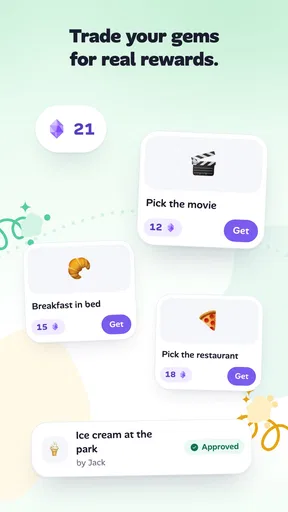
While it’s primarily a chore management app, I’ve found that it’s also a great tool for teaching kids about responsibility. They enjoy collecting points and rewards, and it subtly instills the value of contributing to the household.
In a world where everyone’s busy, Nipto: Split Household Chores is a breath of fresh air. It’s the kind of app that makes you wonder how you ever managed without it. If you’re looking for a way to bring balance back to your home, give Nipto a shot. It might just be the solution you didn’t know you needed.
My verdict after weighing the trade-offs
For me, the strongest reason to try Nipto is not the leaderboard on its own; it is the combination of shared assignments, recurring plans and a record of completed work. Those pieces can turn a vague “we should clean more” into a practical routine. The game-like layer is a bonus for households that enjoy it, and something to downplay if it makes people compare scores instead of helping one another.
It is free to start, with optional in-app purchases priced from $1.99 to $18.99 per item. I would try the household workflow before paying for anything: first check that everyone can see the tasks, that the schedule matches your week, and that the points feel reasonable to the group. My recommendation is clear but selective: Nipto is worth considering if shared chores are a recurring source of confusion, while a plain list remains the better choice for a household that wants the least possible setup.
Verdict
Strengths of Nipto: Split Household Chores
- User-friendly interface for easy navigation.
- Customizable tasks to fit household needs.
- Syncs between devices for family access.
- Motivates with a points and rewards system.
- Regular updates improve features and stability.
Limitations of Nipto: Split Household Chores
- Limited free version features.
- No offline mode available.
- Occasional sync issues reported.
- Ads can be intrusive in the free version.
- No integration with smart home devices.
Similar Picks in This Category
View All
Universal TV Remote Control
CodeMatics Media Solutions3.9

AlfredCamera Home Security app
Alfred Systems Inc.4.7

Planner 5D: AI Home Design
Planner 5D4.5

Universal Tv Remote-Cast to TV
One Music Player4.1

Zillow: Homes for Sale & Rent
Zillow Group4.8

99acres Buy/Rent/Sell Property
infoedge.com4.3
Frequently Asked Questions
What is Nipto and how does it work?
Nipto is an app designed to help users easily divide and manage household chores among family members or roommates. By creating a shared list of tasks, users can assign chores, track progress, and even gamify the experience with points and rewards. This helps ensure that everyone contributes fairly to the upkeep of the home.
How can I set up and customize tasks in Nipto?
Setting up tasks in Nipto is simple. Once you create an account, you can add household members and customize tasks by setting their frequency, priority, and deadlines. You can also assign specific tasks to individuals or leave them open for anyone to claim, ensuring flexibility and fairness in managing household responsibilities.
Is Nipto suitable for all types of households?
Yes, Nipto is versatile and can be used in various household settings, from families with children to shared apartments with roommates. Its customizable features allow users to tailor the app to their specific needs, making it easy to adapt to different living arrangements and preferences.
Does Nipto offer any integrations or additional features?
Nipto offers various integrations with calendar apps and reminders to help users stay on top of tasks. Additionally, it includes features like chore history, progress tracking, and optional gamification to keep chores engaging. Some versions may offer premium features for advanced management or additional customization options.
Is there a cost associated with using Nipto?
Nipto is available as a free app with basic features that suit most users. However, there may be premium versions or in-app purchases that offer enhanced functionalities, such as advanced customization, priority support, or additional integrations. Users can choose based on their needs and budget.
